2026-07-16llmtrading-botarchitecturesafetypythonai-engineering
Rules Decide, LLMs Advise
When people hear I built a trading bot that uses LLMs, they always ask the same question: "so the AI decides what to buy?"
read more →11 min read
When people hear I built a trading bot that uses LLMs, they always ask the same question: "so the AI decides what to buy?"
Today I tagged a release of my trading bot, watched the pipeline march through lint, test, and build, all green, and then watched the deploy stage fail.
Here is an uncomfortable question for anyone running a homelab: if one of your servers died right now, how long would it take you to find out?
In the previous post, a server died and stayed dead for five weeks before I noticed. The autopsy taught me the lesson every ops book repeats and every homelab ignores: a system nobody watches fails in silence.
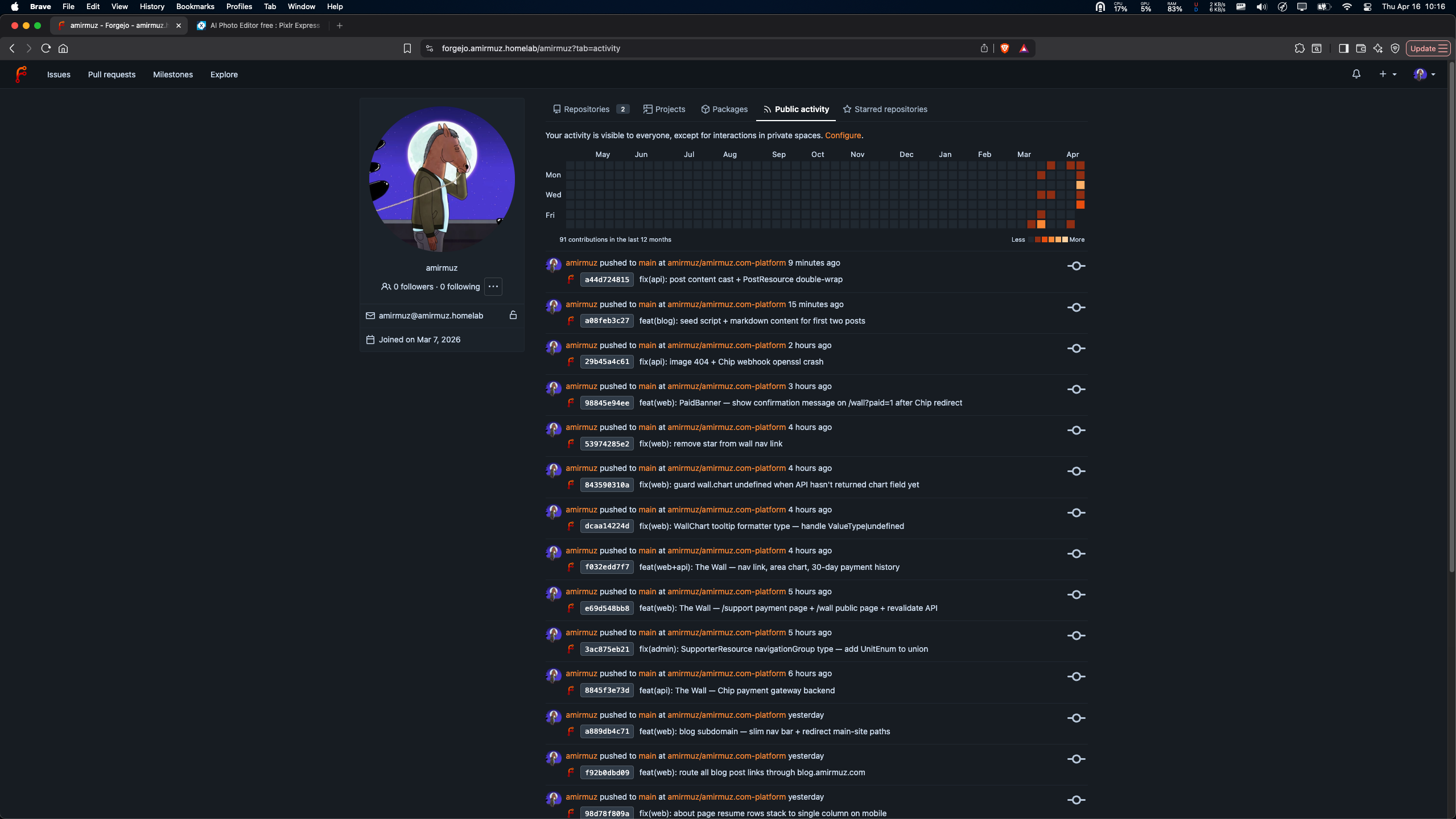
GitHub alternatives, self-hosted. Forgejo runs on 512MB RAM, stores repos on Ceph, and sits behind NGINX. Here's the full setup including a three-layer 502 debug session.
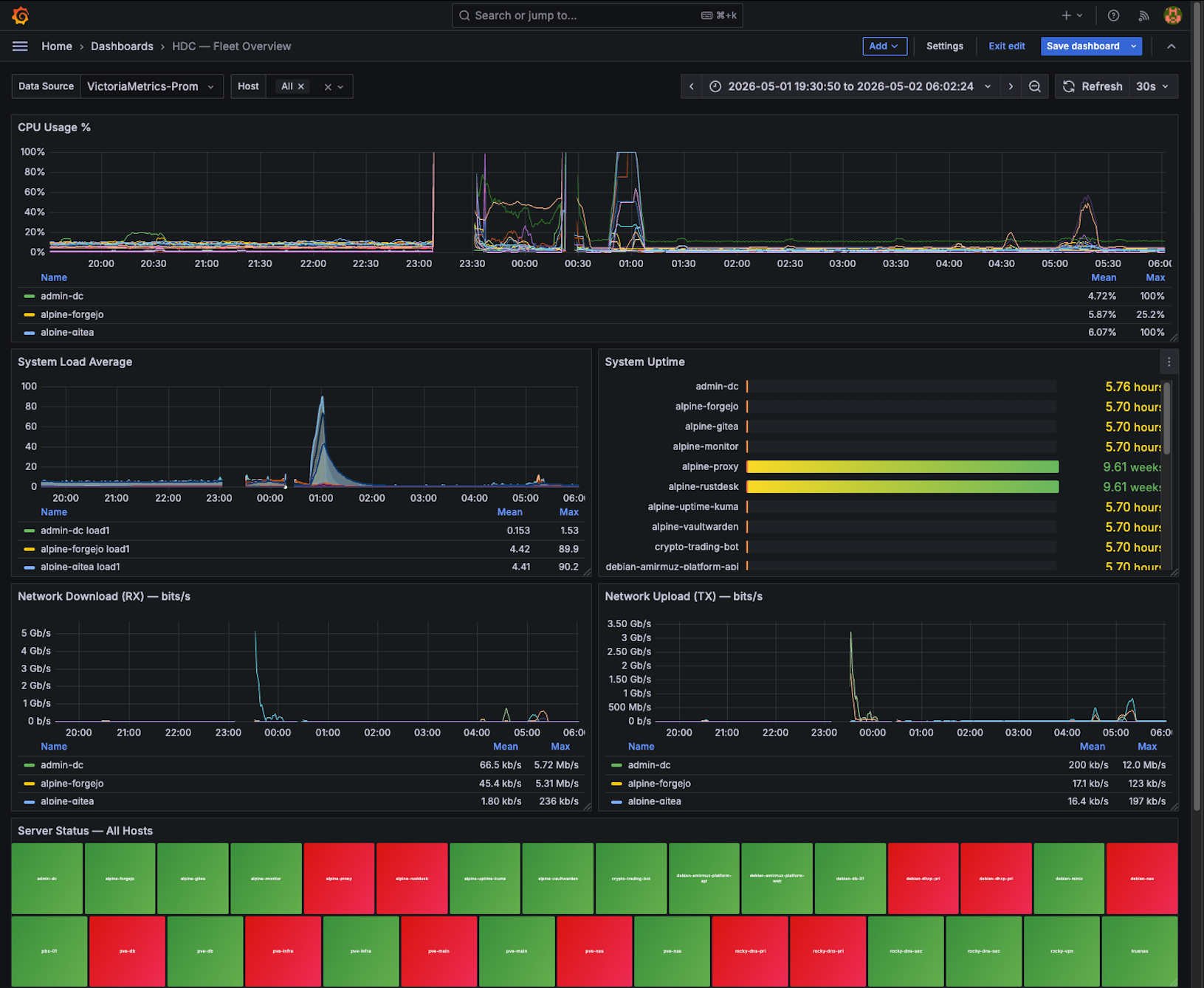
The power went out. When it came back, the Ceph quorum was broken, a monitor was crashing on every start, and SSH had reverted to port 22. Here's how I recovered the entire homelab 100% remotely — without touching a single cable.
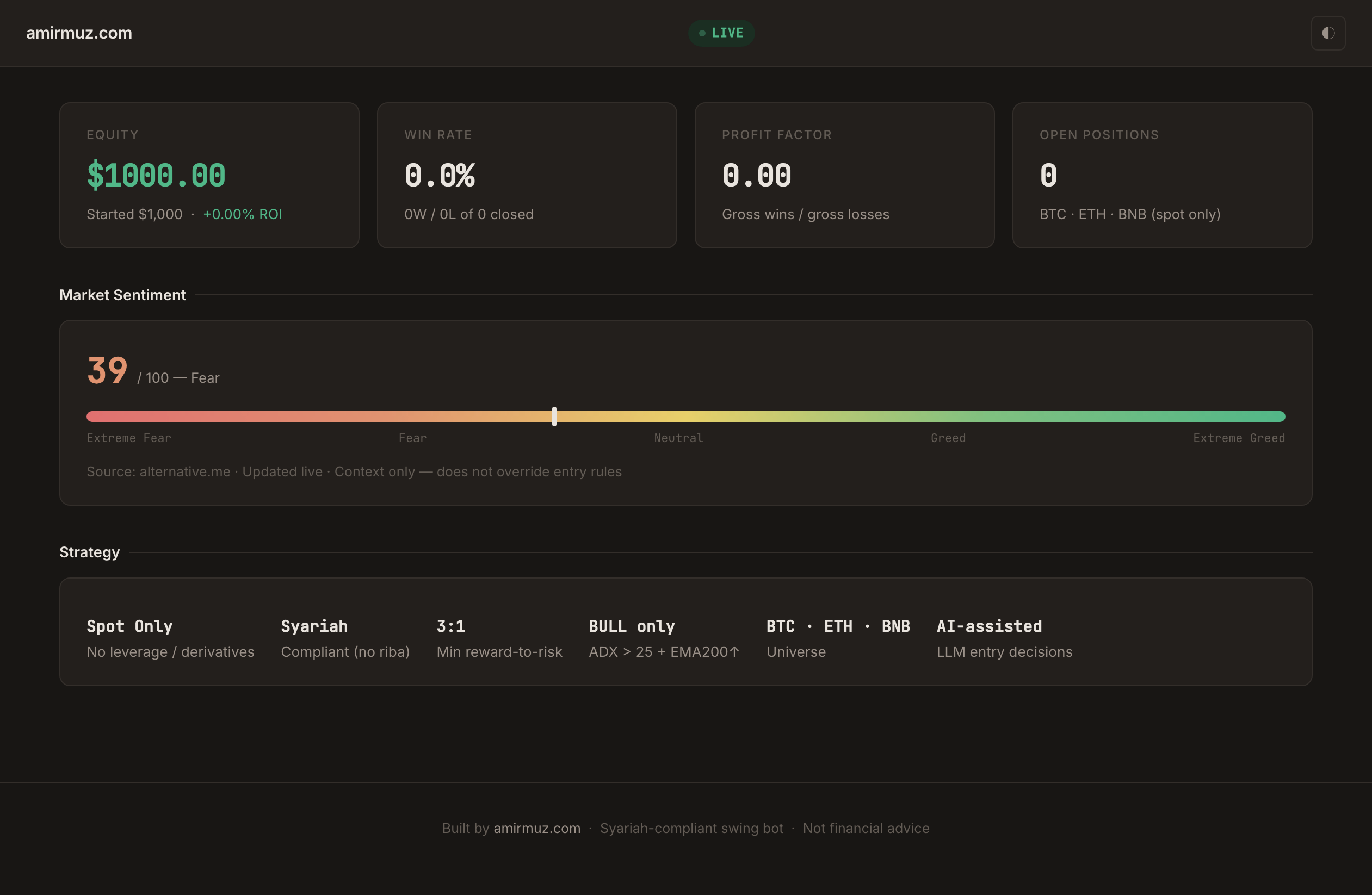
Spot only. No leverage. 3:1 minimum reward-to-risk. A rules-based swing strategy across BTC, ETH and BNB — with an LLM making the final entry call. Here's what 9 years of backtests taught us and what the live bot looks like.
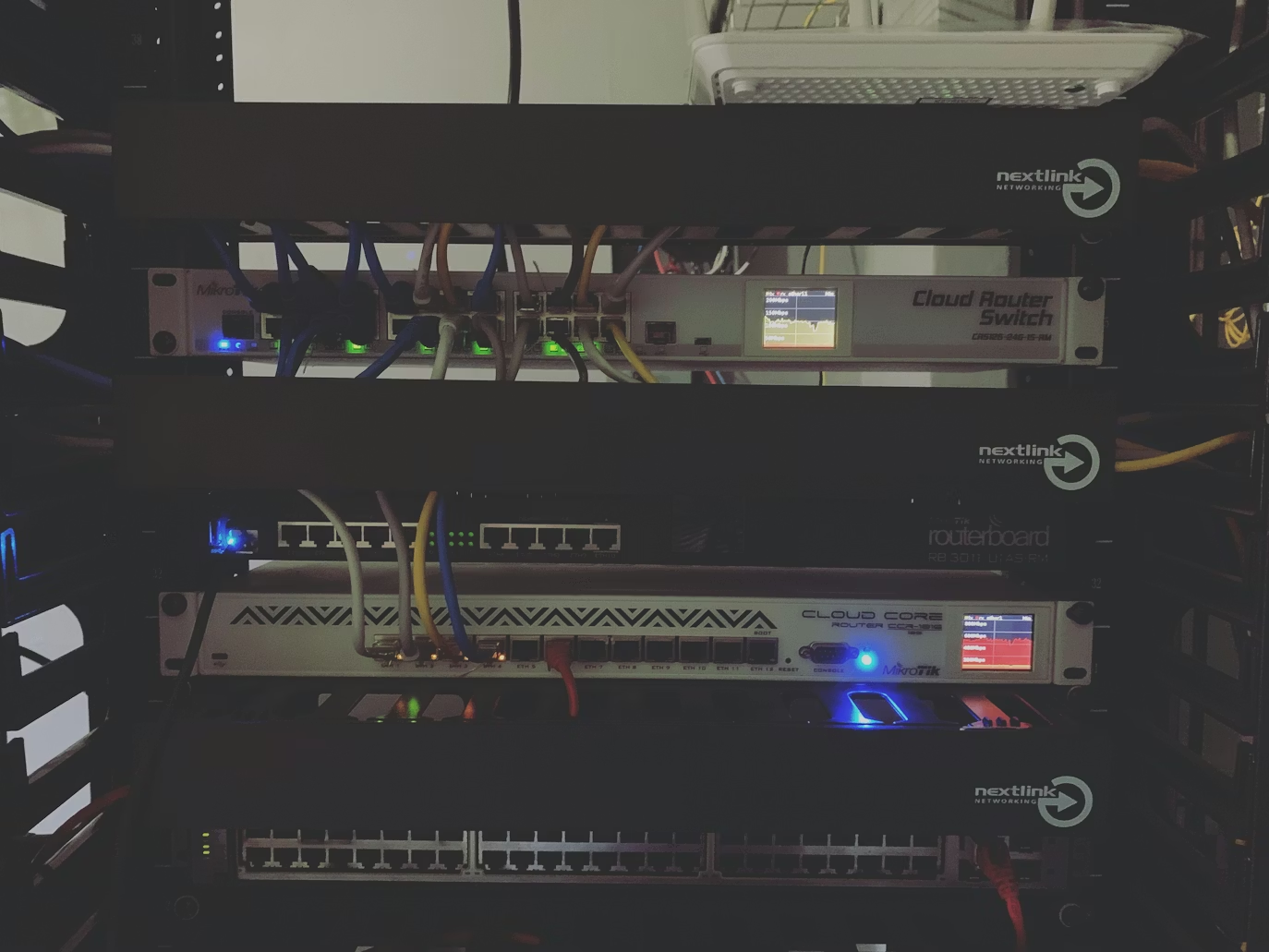
Not a Raspberry Pi with Pi-hole. Not a basic NAS. A proper enterprise-grade datacenter at home — dual firewalls, 4-node Proxmox cluster, 12 VLANs, and a full service stack.

A quick introduction to who I am, what I build, and why I decided to document the journey here.